
How to stop double-knocking the same street
Shared coverage so the next rep knows what was already pitched.
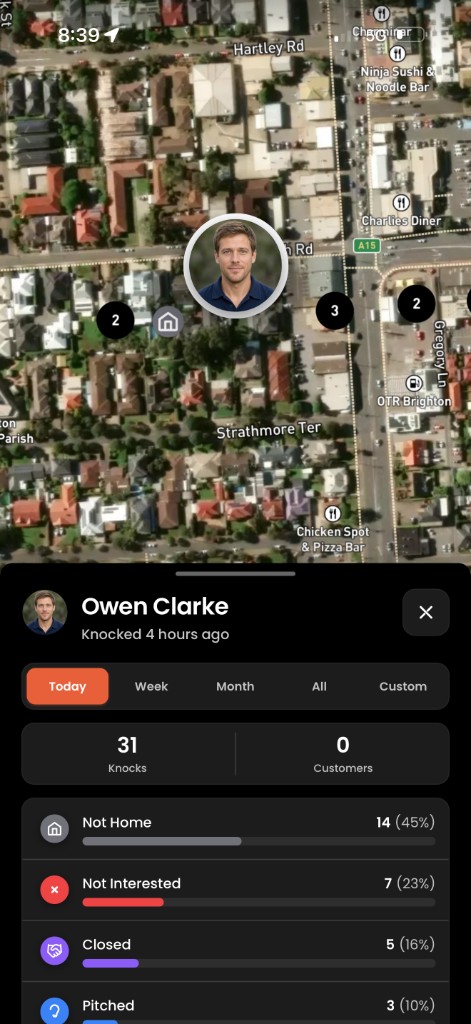
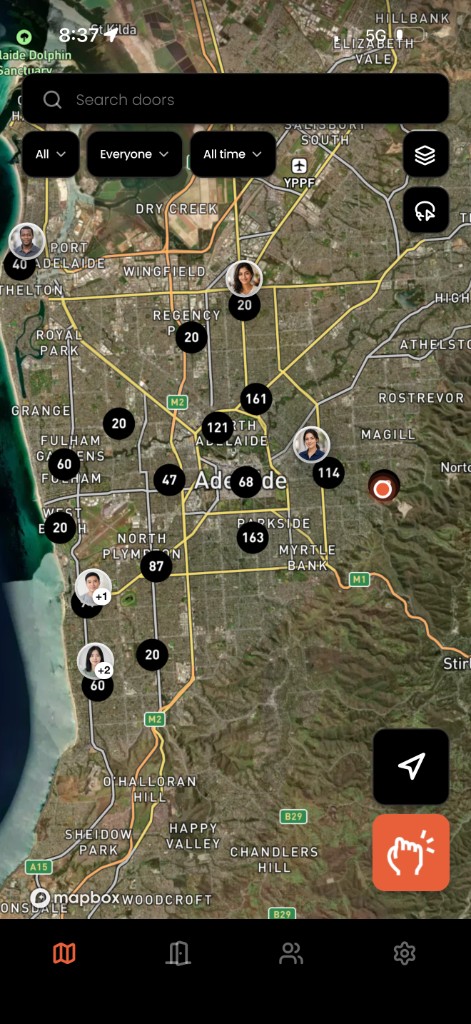
Double-knocking happens when canvassers cannot see what teammates already hit on the same street. Fix it with a shared map of knocks and outcomes, so the next rep knows which doors were pitched, not home, or marked Follow Up.
Root causes
Parallel beats without handoffs, group chats instead of a map, and end-of-day spreadsheet updates all create the same failure: the second rep walks a door the first rep already pitched.
Shared map beats group chat
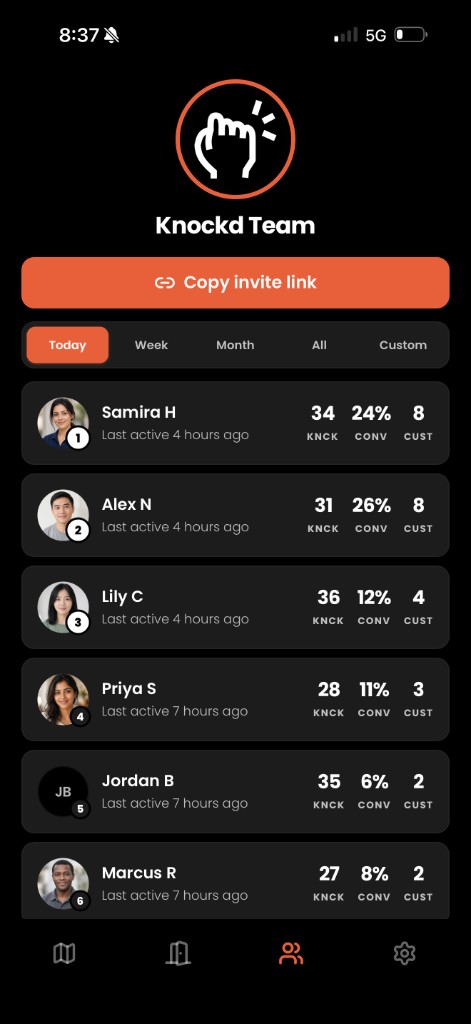
Texts do not scale across a crew. A shared map shows knocks and outcomes so anyone joining the patch reads the same truth before knocking. Managers also see each rep's last knock location.
Handoff between shifts and reps
When one canvasser finishes a beat, the next should see outcomes on each door, not a verbal summary. Follow Ups stay on the address for whoever returns.
Areas and suburbs
Organise coverage by suburb or area so managers can see completeness at a glance: which streets are done, which have gaps, and where Follow Ups remain open.
Close the patch with confidence
Before you call a suburb complete, check the map for gaps and open Follow Ups, not just a rep's self-reported total. Coverage completeness beats knock count alone.
Related
Keep exploring
Nearby product and industry pages for the same workflow.
Answers
Common questions
Setup, teams and how Knockd fits door-to-door work.
Resources
More guides
Keep reading for the same street workflows.
How to track door knocks without spreadsheets
Replace end-of-day spreadsheets with a shared knock map.
Read guideDoor-to-door sales software in Australia: what to look for
Buyer checklist for Australian door-to-door and canvassing teams.
Read guideFree door knocking app for field teams in Australia
Free start for door knock logging on a live team map.
Read guide
One map for the whole patch
Stop double-knocks with shared coverage and outcomes on every address.