
How to track door knocks without spreadsheets
A field layer your whole crew shares the same day, not a tally sheet updated after the shift.
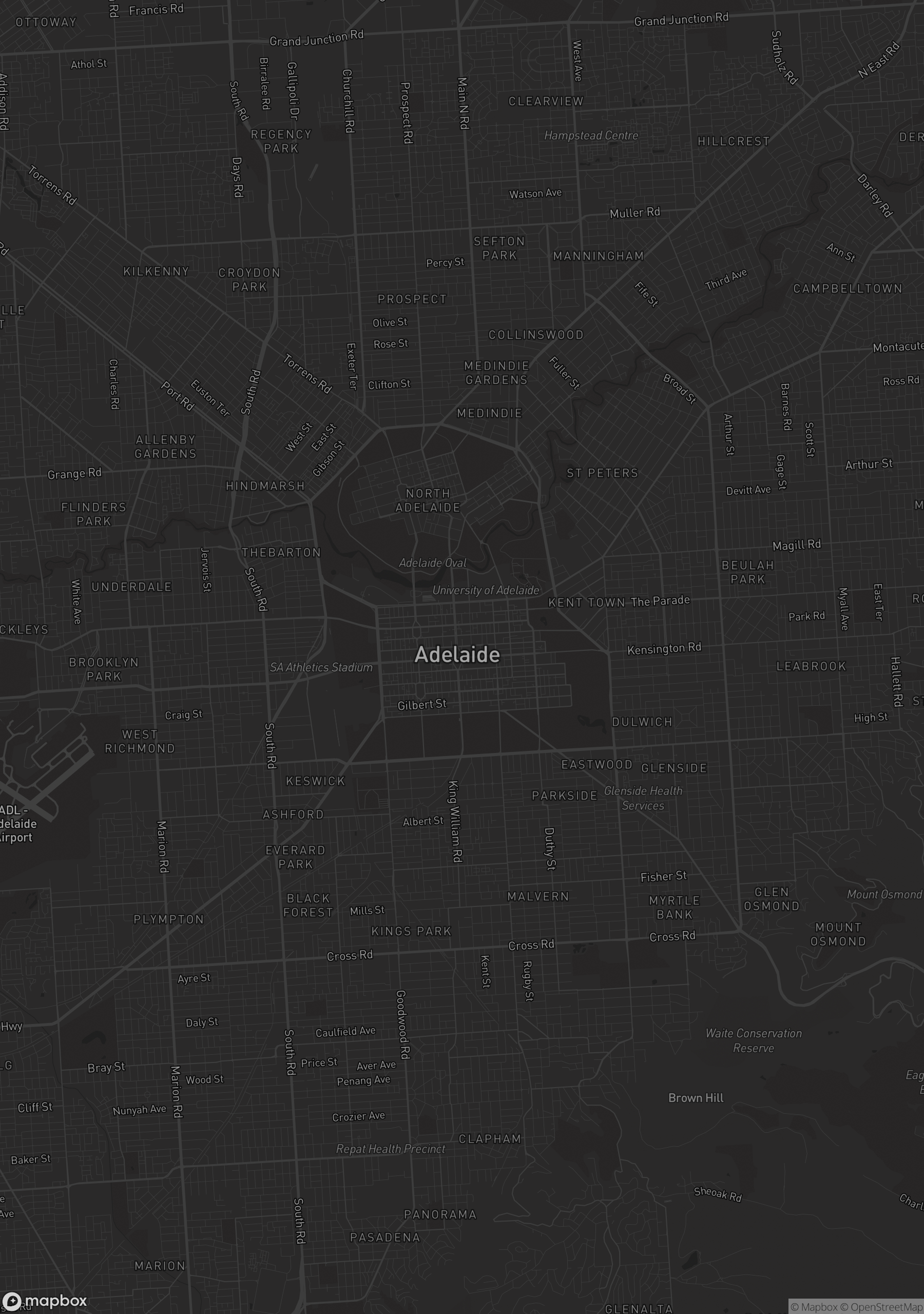
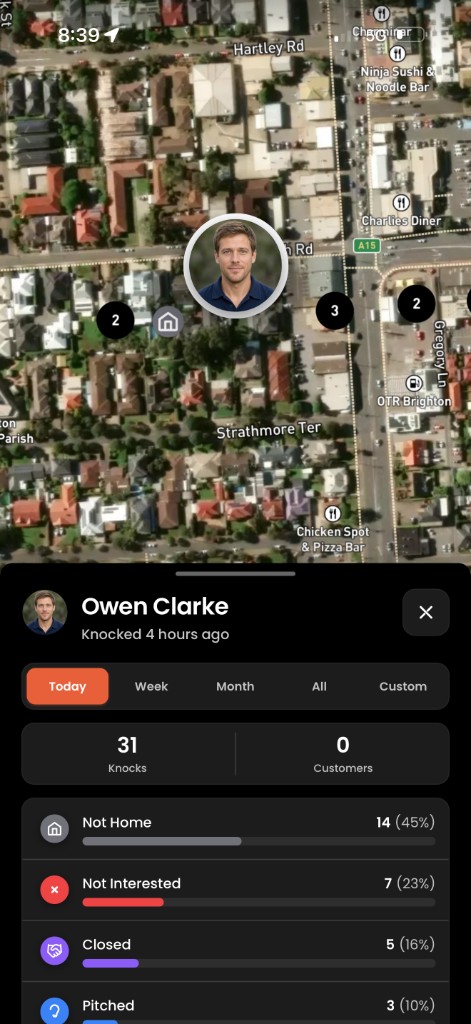
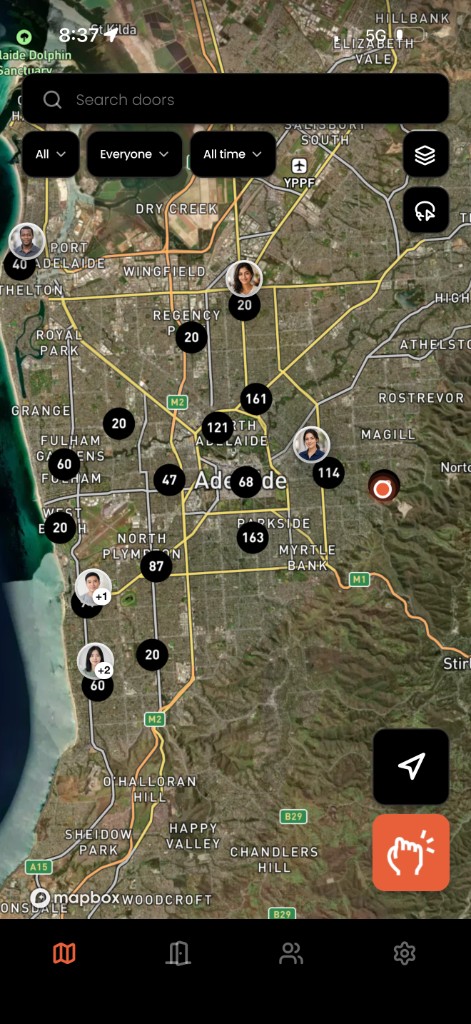
Door knock tracking works best when every visit is tied to an address on a map the whole team shares the same day, not a spreadsheet updated at 6pm. Log outcome, time, and notes at the door; managers see coverage live instead of reconstructing the patch from texts.
Why spreadsheets break for field teams
Spreadsheets are fine for billing and CRM exports. They are a poor fit for today's patch because the data is always behind the street.
By the time someone totals knocks at end of day, managers have already sent ten messages asking where everyone is. Follow Ups live in personal notes apps. Two reps can hit the same house because yesterday's row never made it to today's sheet.
Minimum viable knock log
Every knock record should answer four questions without a meeting:
- Which address was visited
- What happened (outcome)
- Who logged it
- When it happened
What managers actually need
Managers do not need a prettier spreadsheet, they need a live picture of the patch while reps are still out.
That means seeing gaps on a map, spotting double-knocks before they embarrass the crew, and finding open Follow Ups tied to the house, not buried in a rep's phone notes.
A daily workflow that sticks
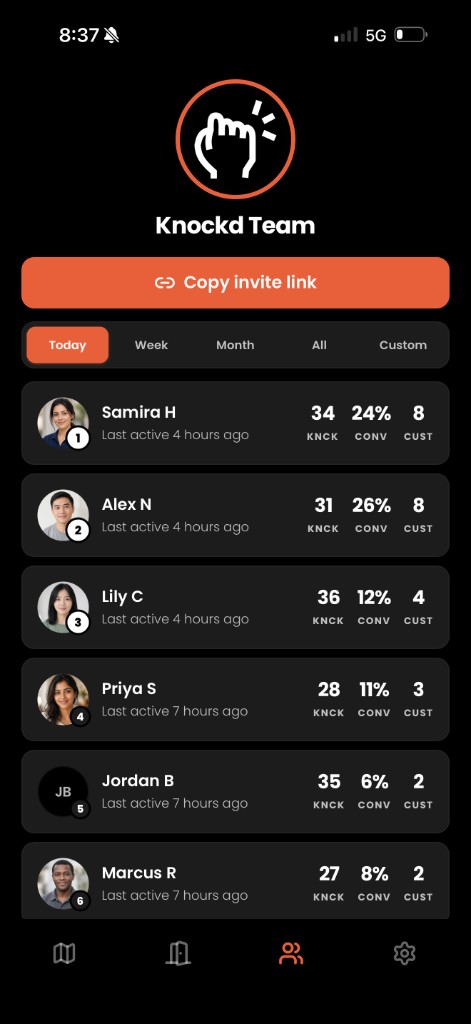
Rep: pin and outcome at the door, seconds, not minutes. Manager: check the map mid-shift and redirect coverage. End-of-day totals become optional because the field already agreed on what happened.
When logging is fast and visible, it becomes part of running the patch, not admin after the shift.
Keep your CRM. Add a field layer
Your CRM can stay the system of record for customers and contracts. Knockd is the shared map for today's knocks, outcomes, and Follow Ups, the layer reps and managers use while the suburb is in progress.
Related
Keep exploring
Nearby product and industry pages for the same workflow.
Answers
Common questions
Setup, teams and how Knockd fits door-to-door work.
Resources
More guides
Keep reading for the same street workflows.
Door-to-door sales software in Australia: what to look for
Buyer checklist for Australian door-to-door and canvassing teams.
Read guideFree door knocking app for field teams in Australia
Free start for door knock logging on a live team map.
Read guideHow solar door-to-door teams run a live patch
Live sits, pitches, and Follow Ups for solar door teams.
Read guide
See today's knocks on one map
Get started free, log at the door, share coverage with the crew the same day.